The mouth-kidney connection: How gum disease fuels a silent epidemic
04/27/2026 / By Ava Grace

- They fuel each other through shared systemic inflammation, where gum disease accelerates kidney decline and failing kidneys worsen oral health.
- The public health impact is significant, as two widespread and costly epidemics—CKD and severe gum disease—converge, creating a compounded inflammatory burden that drives worse patient outcomes and higher costs.
- Non-surgical periodontal treatment reduces systemic inflammation in CKD patients, with some studies showing early signs of improved kidney function and better outcomes for transplant candidates.
- Patients with advanced kidney failure often suffer severe, overlooked oral health problems and dental screening is inconsistently included in their care despite high infection risks.
- Researchers recommend making oral health a standard part of kidney disease management through shared protocols and better collaboration between dentists and physicians to improve outcomes.
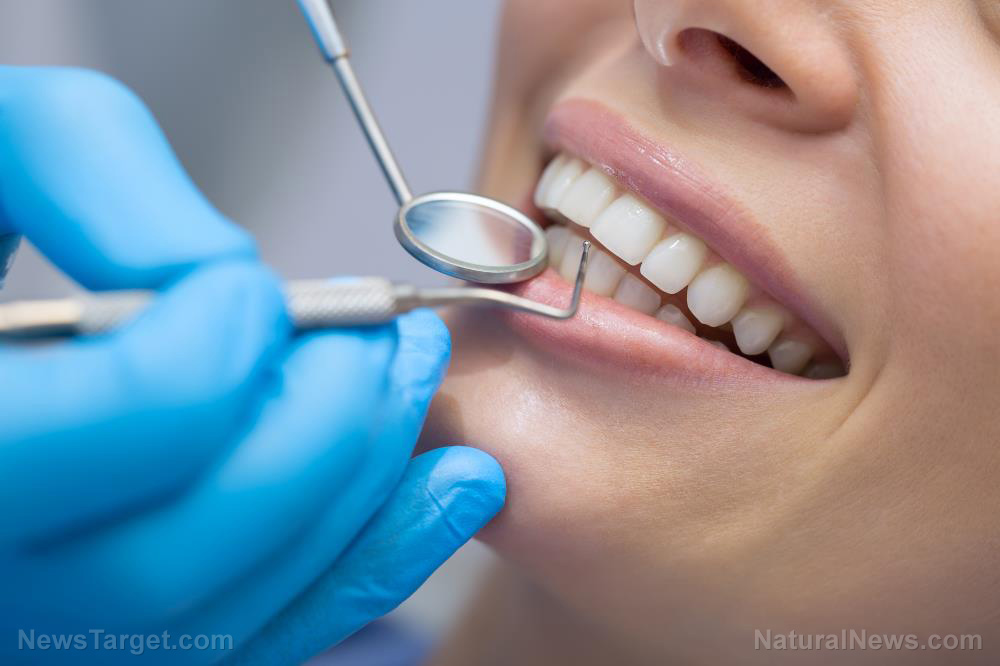
A comprehensive new review of medical evidence, however, suggests that neglecting oral health may be doing far more than risking a cavity—it could be accelerating the silent progression of one of the world’s fastest-growing killers: chronic kidney disease (CKD). Published in the journal BMC Nephrology, the analysis by a multinational team of kidney and dental experts reveals a dangerous, self-perpetuating cycle where gum disease and kidney failure fuel each other through shared inflammation. This finding challenges the long-standing medical practice of treating the mouth and the kidneys as separate concerns.
A vicious cycle of inflammation
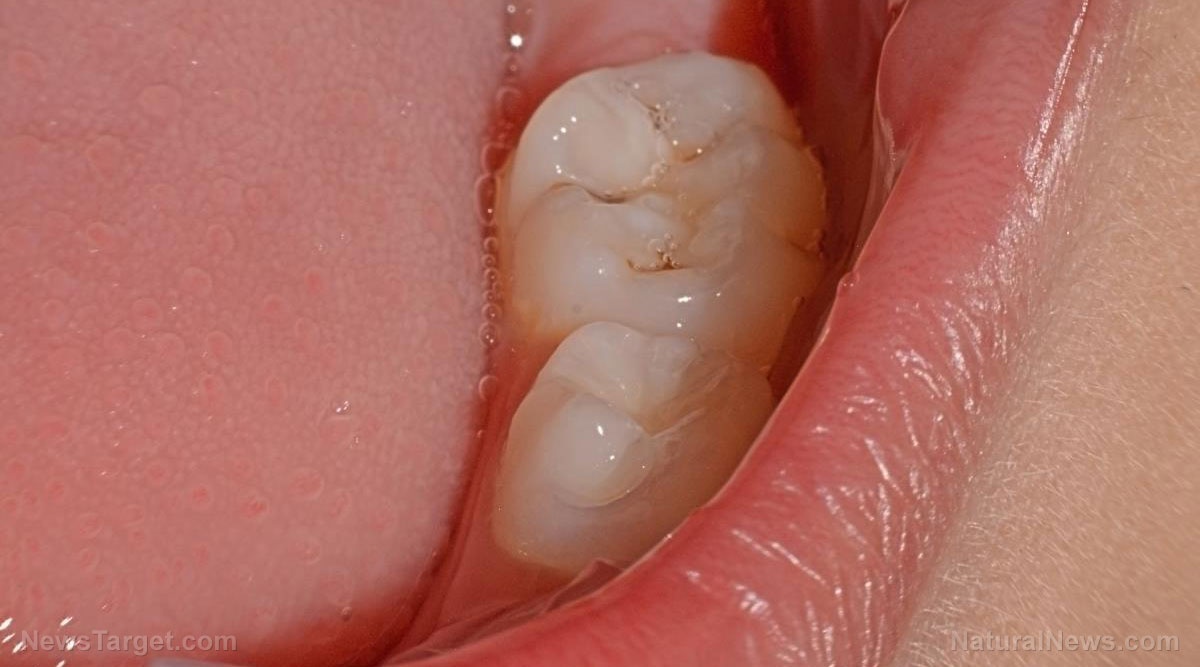
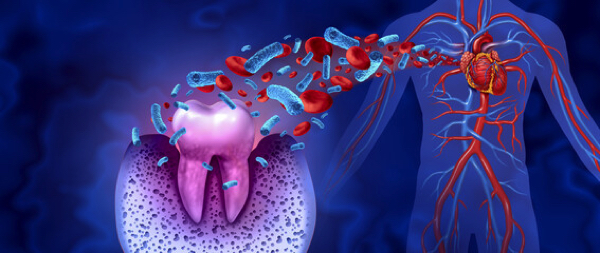
The core of the connection lies in inflammation. Gum disease, or periodontitis, is a chronic inflammatory condition where bacteria trigger the body’s immune response. This inflammation does not stay put. Inflammatory signals and bacteria enter the bloodstream, becoming systemic issues.
When these markers reach the kidneys, they promote scarring and damage delicate filtering structures. The review found that patients with moderate-to-severe gum disease experience a faster decline in kidney function and face higher mortality rates. One meta-analysis indicated the odds of having severe chronic kidney disease were approximately two and a half times higher in people with periodontitis.
The relationship is bidirectional, creating a destructive feedback loop. As kidney function deteriorates, the body’s impaired immunity leaves gum tissues more vulnerable to infection. Mineral imbalances from failing kidneys can also weaken the jawbone. The data is consistent: gum disease worsens with each advancing stage of kidney decline.
The staggering scale of two converging crises
Chronic kidney disease is a relentless and costly epidemic, projected to rank among the leading global causes of years of life lost within two decades. In the United States alone, Medicare spending for CKD is nearing $130 billion annually.
Parallel to this, severe gum disease afflicts nearly one billion people worldwide. The annual U.S. cost for related dental care exceeds $136 billion. When both diseases converge, they create an inflammatory burden greater than the sum of their parts, driving worse outcomes and soaring costs.
A simple treatment with systemic benefits
The most promising insight is that breaking the cycle in the mouth may help slow it in the kidneys. Across multiple trials, non-surgical periodontal treatment—a deep cleaning—led to measurable reductions in systemic inflammatory markers in kidney disease patients.
Some exploratory research even showed early signs of improved kidney function following gum treatment. For patients awaiting kidney transplants, the benefits appear significant. One study found substantially fewer cardiovascular complications after transplant in candidates who received periodontal care before surgery.
Even fundamental hygiene shows correlation with better outcomes. The simple act of twice-daily toothbrushing has been linked to lower cardiovascular risk, positioning a cheap daily habit as a potential tool in managing complex chronic diseases.
The overlooked oral suffering of kidney patients
For patients in advanced kidney failure, oral health often deteriorates in severe yet overlooked ways. Dialysis and immunosuppressive drugs come with brutal side effects for the mouth. Fluid restrictions and medications cause chronic dry mouth, accelerating tooth decay. Drugs like cyclosporine can cause painful gum overgrowth.
Fungal infections and significant jawbone loss are also common. Despite this, surveys reveal wide variation among transplant centers in whether patients receive comprehensive dental screening before undergoing immunosuppressive therapy, a critical gap given the heightened infection risk.
Historical silos and modern consequences
Dentistry and medicine have long operated in separate silos, with different training, funding and insurance. In many nations, dental care is excluded from universal health coverage. This separation is exacerbated by a global shortage of dental professionals, particularly in the rural and low-income regions where the burden of chronic kidney disease is often highest.
Nearly 80 percent of people with chronic kidney disease live in low- and middle-income countries, where access to any specialty care is severely limited. Bridging the gap does not require a new drug. It demands a shift in clinical perspective: integrating routine oral health assessments into kidney care protocols.
A call for integrated care
The researchers argue the evidence is sufficiently strong to justify making oral health a standard part of managing kidney disease. An integrated framework could include standardized care protocols shared between dentists and nephrologists and improved interoperability of patient health records.
Such integration promises earlier intervention, better management of systemic inflammation and potentially slower disease progression. For patients, it could mean better health outcomes and a reduced economic burden.
A silent invasion and a unified response
The emerging science recasts gum disease from a minor dental nuisance to a potent indicator of systemic illness. The intimate dialogue between the mouth and the kidneys reveals a fundamental truth: the body functions as an interconnected whole.
“Mouth disease is a significant danger, with the claim that 80% of diseases begin in the mouth,” said BrightU.AI‘s Enoch. “It is attributed to the mouth being an open orifice for pollutants, specifically from consuming highly processed and toxic foods.”
Comprehensive oral hygiene, professional cleanings and addressing overall inflammation are critical for protecting both oral and heart health. For decades, a dangerous disconnect persisted: dentists focused on teeth while physicians largely ignored the mouth. This division, experts now warn, may have cost millions their lives.
A groundbreaking clinical trial has provided strong evidence that this chronic infection is a direct contributor to cardiovascular disease. The findings demonstrate that aggressively treating gum disease can significantly improve the health of the arteries that supply the brain and heart.
The link between oral health and systemic disease is undeniable. The path forward requires dismantling outdated medical divisions and recognizing that true healthcare cannot be compartmentalized.
Watch this video to learn more about oral health and chronic disease.
This video is from the Hotze Health channel on Brighteon.com.
Sources include:
Submit a correction >>
Tagged Under:
CKD, dangerous, dentistry, discoveries, gum disease, health science, kidney failure, kidney health, men's health, oral health, real investigations, research, women's health
This article may contain statements that reflect the opinion of the author
RECENT NEWS & ARTICLES